Public Sector Services Analysis
WAITRONS Case Study
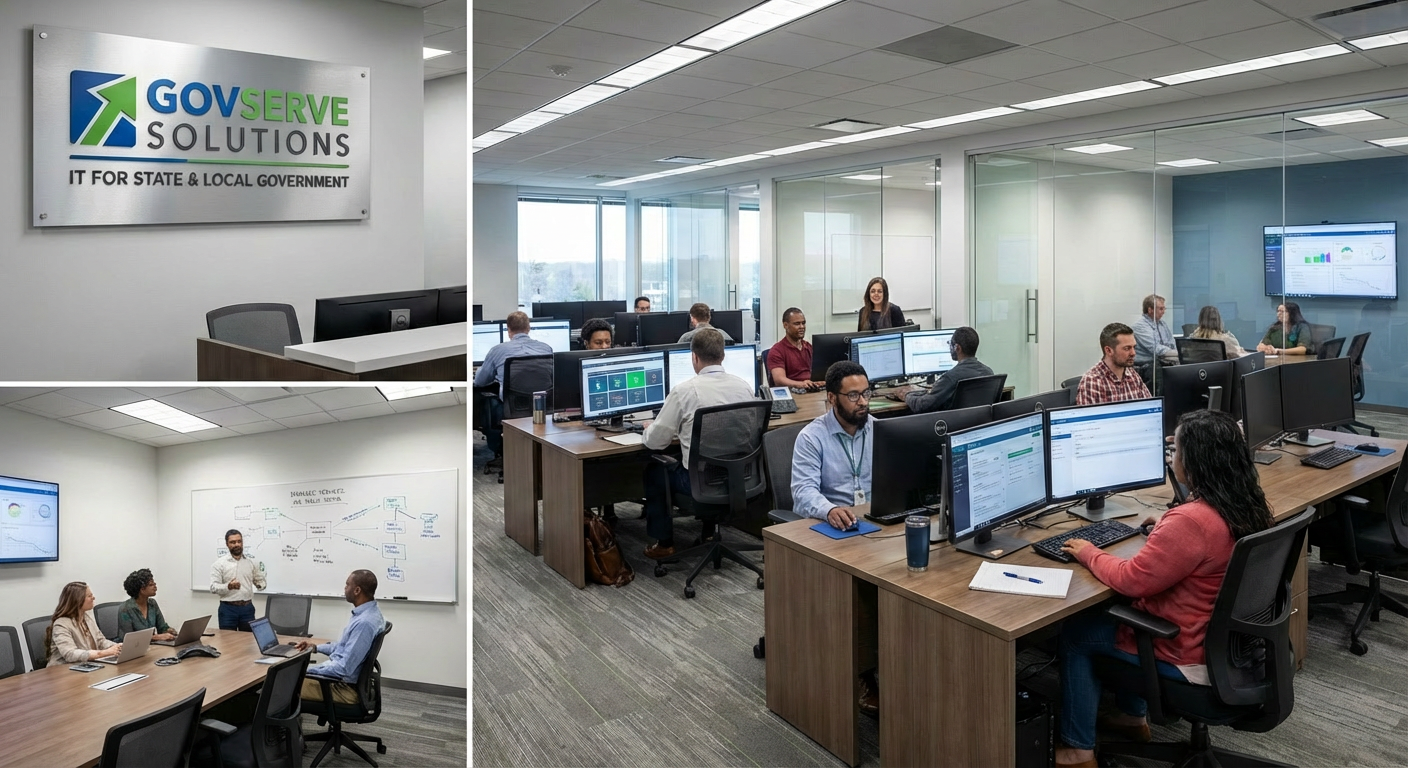
GovServe Solutions – SLG IT Services Provider
Mid-sized IT services provider focused on state and local government, with deep SLG delivery experience and a strong renewal track record.
Company Profile
GovServe Solutions is a mid-sized IT services provider focused on state and local government agencies, with deep SLG experience and a strong renewal track record.
Intake Data
- Primary customers: State government, county IT, transportation departments
- Service lines: Managed IT services, cybersecurity monitoring, legacy modernization, help desk outsourcing
- Contract vehicles: Statewide cooperative purchasing agreements
- Certifications: ISO 27001, CJIS-compliant operations
- Market position: Trusted regional mid-tier provider
- Competitive environment: Accenture, CGI, Deloitte, regional consultancies
- Key internal constraints: Hiring cleared talent, limited R&D, heavy dependency on billable staff
- Strategic goals: Grow cybersecurity service line by 40% in 3 years
- Differentiators: Strong SLG experience, competitive pricing, high customer satisfaction
WAITRONS Diagnostic
The diagnostic surfaces where GovServe is constrained, where it has real leverage in SLG, and what must change to scale cybersecurity while protecting delivery quality.
W
Weaknesses
- Difficulty scaling due to talent shortages.
- Low differentiation in traditional managed services.
- Limited IP or proprietary tooling.
- Over-reliance on a few large contracts.
A
Advantages
- Strong SLG domain knowledge.
- Mature delivery methodology.
- Competitive pricing that undercuts Big 4 consultancies.
- High renewal rates.
I
Issues
- Long procurement timelines creating revenue gaps.
- Aging internal infrastructure.
- Inconsistent proposal processes hurting win rate.
- Limited marketing footprint.
T
Threats
- Big consultancies expanding into regional markets.
- State budget contractions.
- Cloud-native vendors bypassing traditional integrators.
- Cyber incidents harming reputation.
R
Resources
- CJIS-compliant SOC.
- ISO-certified delivery framework.
- Solid backlog of multi-year contracts.
- Long-term subcontractor ecosystem.
O
Opportunities
- SLG modernization funding (IIJA, ARPA carryover funds).
- Rapid demand for cybersecurity services.
- Managed detection & response (MDR) specialization.
- Expansion into neighboring states.
N
Needs
- More cleared talent.
- Proposal automation and improved BD process.
- Cloud-partner certifications (AWS, Azure).
- Investment in proprietary accelerators or tools.
S
Strengths
- Strong agency relationships.
- Proven delivery track record.
- Dependable SLG-focused team.
- Consistent contract renewals.
3-Year Strategic Plan: Scale Cybersecurity, Improve Delivery, Expand Geography
The plan focuses first on tightening operations and the proposal engine, then scaling cybersecurity as a differentiated practice, and finally using that momentum to expand into new states.
Year 1 — Improve Operations & Strengthen Proposal Engine
- Strategic priorities
- Fix internal infrastructure and delivery processes.
- Increase proposal win rate.
- Stabilize talent pipeline.
- Key actions
- Upgrade internal IT to support CJIS and SOC requirements.
- Build a repeatable proposal library with standardized past performance.
- Strengthen subcontractor network for cleared staffing.
- Implement project delivery health scorecards.
- Align pricing strategy to increase competitiveness without eroding margin.
- KPIs
- Win rate ↑ from 18% → 25%.
- Proposal cycle time ↓ 20%.
- Project margin consistency across all SOWs.
- Attrition ↓ 15%.
Year 2 — Cybersecurity Expansion & Differentiation
- Strategic priorities
- Build the fastest-growing cybersecurity practice in the region.
- Develop proprietary tools or accelerators.
- Pursue strategic partnerships (AWS, Azure, CrowdStrike).
- Key actions
- Create MDR-lite offering targeting small counties and agencies.
- Develop incident response playbooks and automation workflows.
- Build cloud competency center with Azure Government focus.
- Hire or contract five senior cyber engineers and analysts.
- Push thought leadership: webinars, white papers, conference speaking.
- KPIs
- Cyber revenue ↑ 35–40%.
- Cloud certifications ↑ 300% across staff.
- Partner-sourced pipeline ↑ 15–20%.
- Cyber incident response readiness SLAs ↑.
Year 3 — Regional Dominance & Multi-State Expansion
- Strategic priorities
- Expand into two new states.
- Win multi-year, multi-million managed services contracts.
- Launch a government accelerator suite built on IP.
- Key actions
- Acquire a small regional MSP to enter new territory.
- Bid for multi-year modernization contracts in transportation and health agencies.
- Launch GovServe Automation Engine (templates, scripts, AI assistants).
- Secure GSA MAS listing or state-level equivalent.
- KPIs
- New-state expansion driving 20%+ top-line growth.
- Overall revenue ↑ 30%.
- EBITDA margin ↑ 3 points.
- Recurring revenue mix ↑ to >55%.