Regional Retail Analysis
WAITRONS Case Study
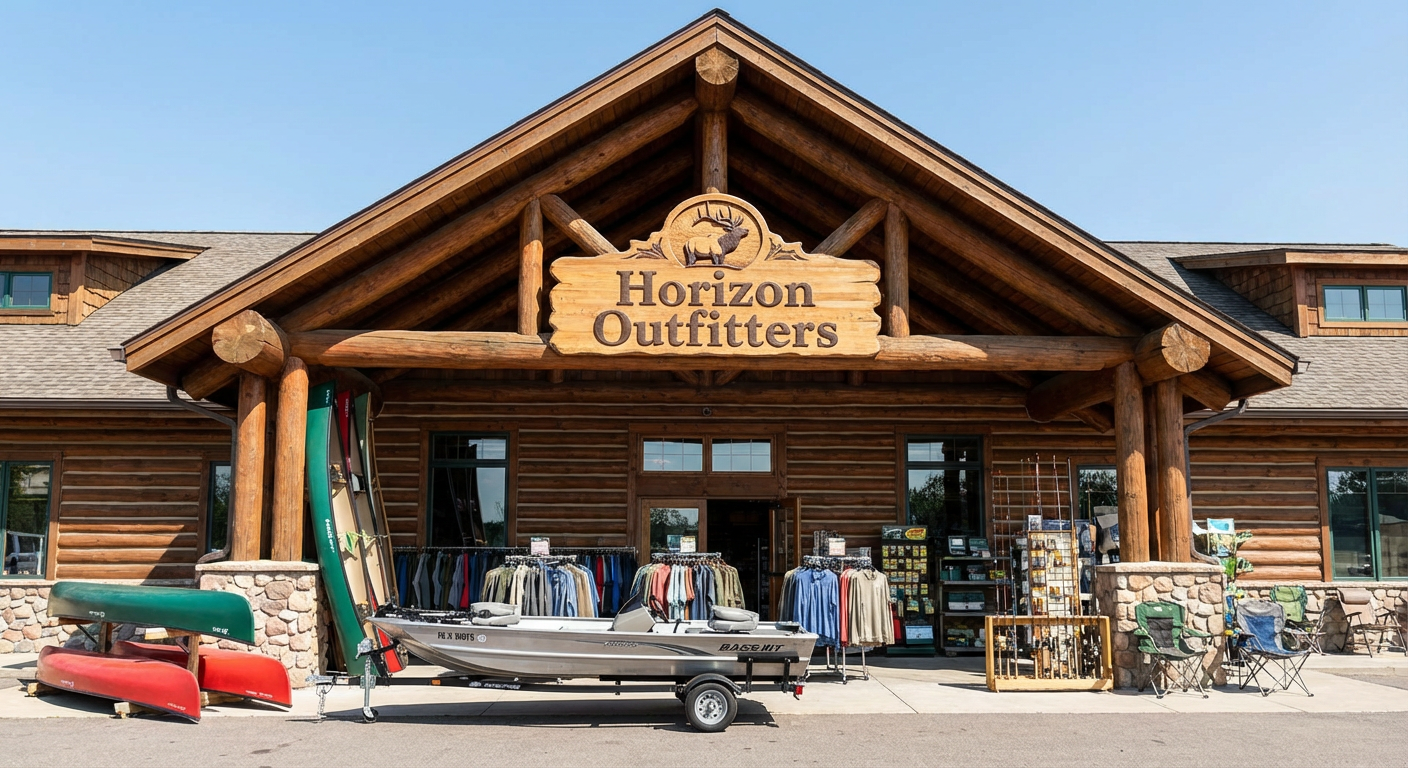
Horizon Outfitters – Regional Retail Chain
Mid-sized outdoor-goods retailer in the Southwest with strong local loyalty and uneven digital execution.
Company Profile
Horizon Outfitters is a mid-sized, regional outdoor-goods retailer with a growing but uneven digital footprint.
Intake Data
- Region: Southwest U.S. (TX, NM, AZ)
- Store count: 38
- Product categories: Outdoor apparel, hiking gear, camping equipment, fishing supplies
- Customer profile: Middle-income families, hobbyist outdoor enthusiasts, tourists
- Online presence: Moderate; Shopify-based site; weak curbside pickup execution
- Competitive landscape: REI, Academy Sports, Dick’s Sporting Goods, Amazon
- Major challenges: Inventory forecasting, declining foot traffic in non-metro stores, seasonal spikes
- Strengths: Strong local brand loyalty, knowledgeable staff, exclusive partnerships with three niche gear manufacturers
- Financial health: Stable but pressured margins; moderate debt
WAITRONS Diagnostic
The diagnostic surfaces where Horizon is exposed, where it has real leverage, and what must change to support a credible expansion and omnichannel play.
W
Weaknesses
- Slow digital transformation compared to national competitors.
- E-commerce site underperforms (low conversion, limited inventory accuracy).
- High labor cost percentage due to expert staff model.
- Seasonal demand volatility creates cash-flow crunches.
A
Advantages
- Local brand equity built over 25+ years.
- Highly trained staff who elevate in-store experience.
- Exclusive southwest-only product lines.
- Strong community engagement (events, sponsored hikes, classes).
I
Issues
- Aging ERP system causing forecasting and replenishment errors.
- Inconsistent store layouts create uneven customer experiences.
- Shrinkage rates above industry norms.
- Customer loyalty program outdated and poorly integrated.
T
Threats
- Amazon and REI dominating online outdoor sales.
- Extreme weather variability hurting seasonal categories.
- Rising rent in key metro locations.
- Factory-direct brands selling straight to consumer.
R
Resources
- Long-term leases in high-traffic hubs.
- Deep relationships with three premium manufacturers.
- Reliable regional distribution center.
- Large, loyal customer email database.
O
Opportunities
- Launching BOPIS/curbside programs to boost convenience.
- Rapid expansion of e-commerce with better personalization.
- Private-label apparel with higher margins.
- Experiential retail (classes, guided events, VIP clubs).
N
Needs
- Modern POS and inventory integration.
- Digital marketing competency.
- Supply chain modernization.
- Data analytics for demand planning.
S
Strengths
- Strong community footprint and trust.
- Staff expertise unmatched by competitors.
- Multi-generational customer relationships.
- High NPS in 15 metro locations.
3-Year Strategic Plan Summary
The plan focuses first on stabilizing operations and data, then on building a real omnichannel engine, and finally on using that engine to expand intelligently.
Year 1 – Stabilize the Foundation
- Standardize store reporting and KPIs to align operations and merchandising.
- Pilot new POS and inventory system in three flagship stores.
- Clean and centralize product and pricing data.
Year 2 – Accelerate Omnichannel
- Roll out unified commerce platform across all stores.
- Launch click-and-collect with reliable inventory promises.
- Introduce basic personalization using loyalty and purchase data.
Year 3 – Expand and Differentiate
- Open new locations in top-performing regions based on data.
- Scale advanced promotions tied to margin and local conditions.
- Formalize a continuous improvement loop using WAITRONS annually.